The challenge: A preschool program in need of a structured curriculum
Before implementing Experience Curriculum, Rawlins Elementary School in Wyoming faced a common challenge: preschool classrooms operated without a structured, research-based curriculum. This left teachers without the tools or guidance to consistently build foundational literacy skills in their young learners.
The solution: Experience Curriculum
In Fall 2024, Rawlins Elementary introduced Experience Curriculum into their preschool programs. This comprehensive curriculum brought developmentally appropriate, play-based learning into daily instruction.
Thirty-two preschool children across three classrooms were assessed using the FastBridge earlyREADING tool, which is aligned with the Science of Reading. Students were assessed individually in both Fall 2024 and Spring 2025 using a screening composite that includes four subtests:
- Concepts of print
- Onset sounds
- Letter names
- Letter sounds
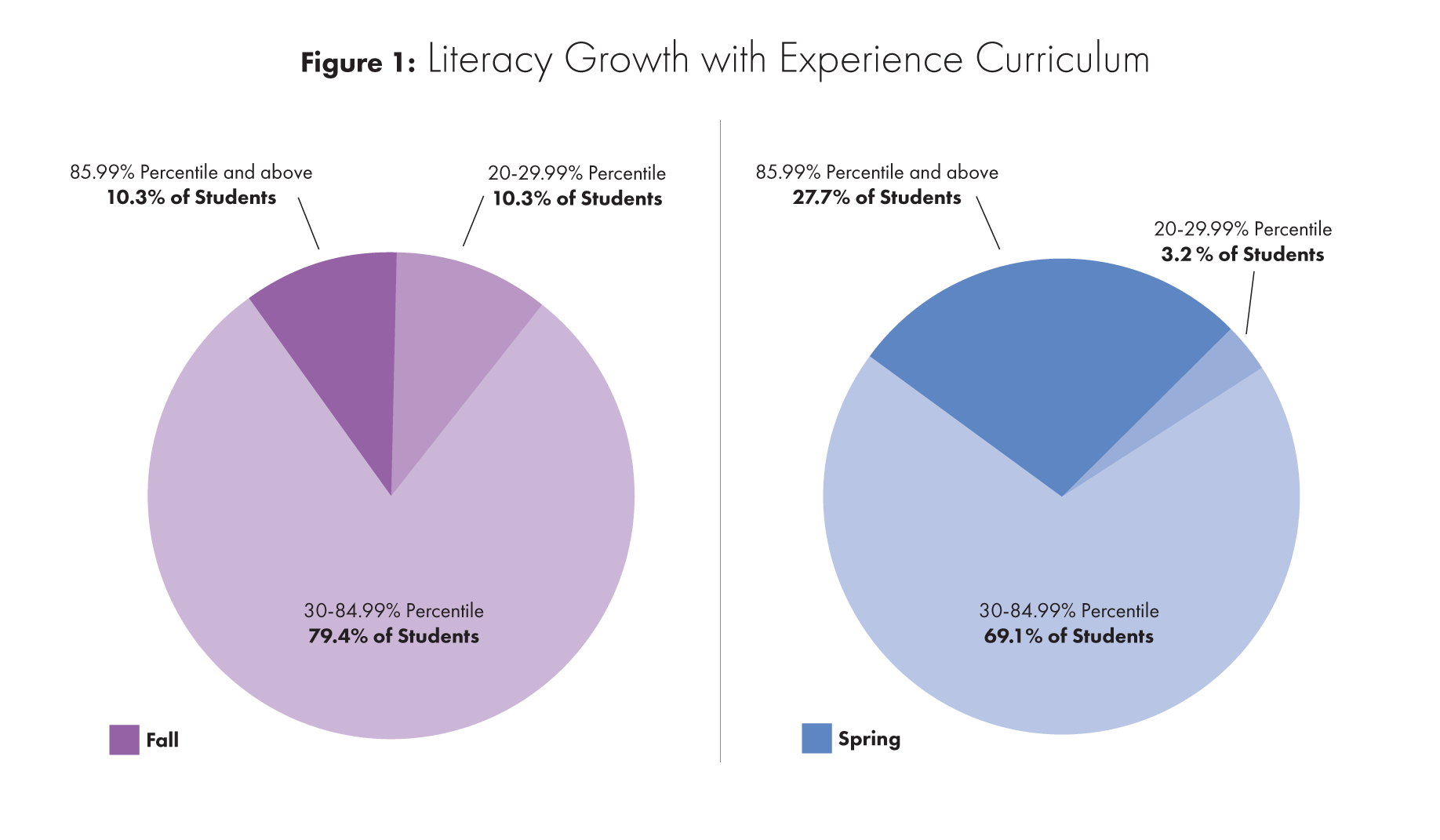
Figure 1: Literacy growth with Experience Curriculum
| Percentile Range | Fall 2024 | Spring 2025 |
|---|---|---|
| 85th percentile and above | 10.3% of students | 27.7% of students |
| 30–84.99th percentile | 79.4% of students | 69.1% of students |
| 20–29.99th percentile | 10.3% of students | 3.2% of students |
The results: Dramatic gains in reading readiness
Over the course of the school year:
- Performance increased. The number of students scoring in the top tier (above the 85th percentile) increased significantly, from 10% to 26% (Figure 1).
- Equity improved. Fewer students remained in the lowest tier (below the 20th percentile), showing a meaningful shift in classroom-wide literacy readiness.
- Risk levels decreased. Students identified as "some risk" or "high risk" dropped from 33% to just 0.06% (Figure 2).
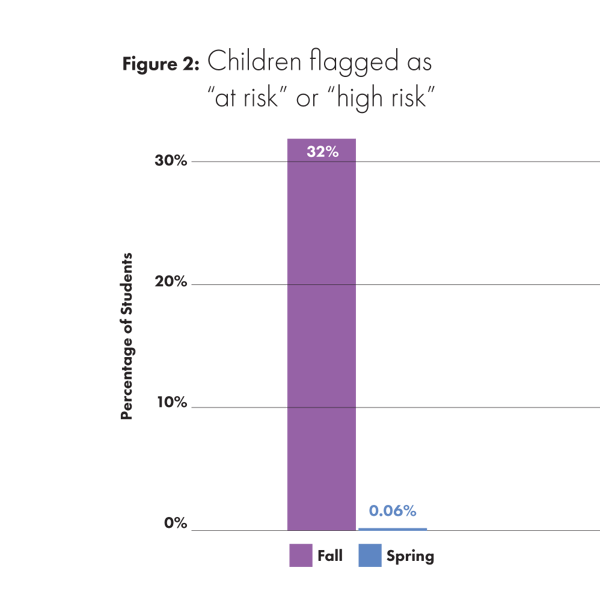
Figure 2: Children flagged as "at risk" or "high risk"
| Fall | Spring |
|---|---|
| 32% | 0.06% |
Why it worked
-
Strong curriculum fidelity. Since implementation, the Rawlins Elementary Literacy Coach rated teacher adherence to the curriculum as 5 out of 5, indicating strong fidelity of Experience Curriculum into daily instruction.
-
Grounded in research. The curriculum's structure ensured that every child received consistent, evidence-based literacy instruction.
-
Engaging, play-based learning. Children were immersed in developmentally appropriate activities that supported real academic progress.
-1.png?width=600&height=300&name=62025%20EC%20Blog%20Image%20(2)-1.png)
The takeaway
This data demonstrates how consistent, developmentally aligned instruction—such as that offered by the Experience Curriculum—can effectively support early literacy development and reduce risk factors during the preschool years.