The holiday season brings joy, excitement, and—unfortunately—extra mess. From glitter on the floor to sticky fingers on every surface, keeping a childcare program tidy during this time can feel impossible. The influx of winter gear, seasonal crafts, and special events creates a unique set of challenges for maintaining a clean environment.
However, a festive atmosphere doesn't have to mean a chaotic classroom. This article provides practical cleaning hacks to help you maintain a clean and safe environment without losing your holiday spirit.

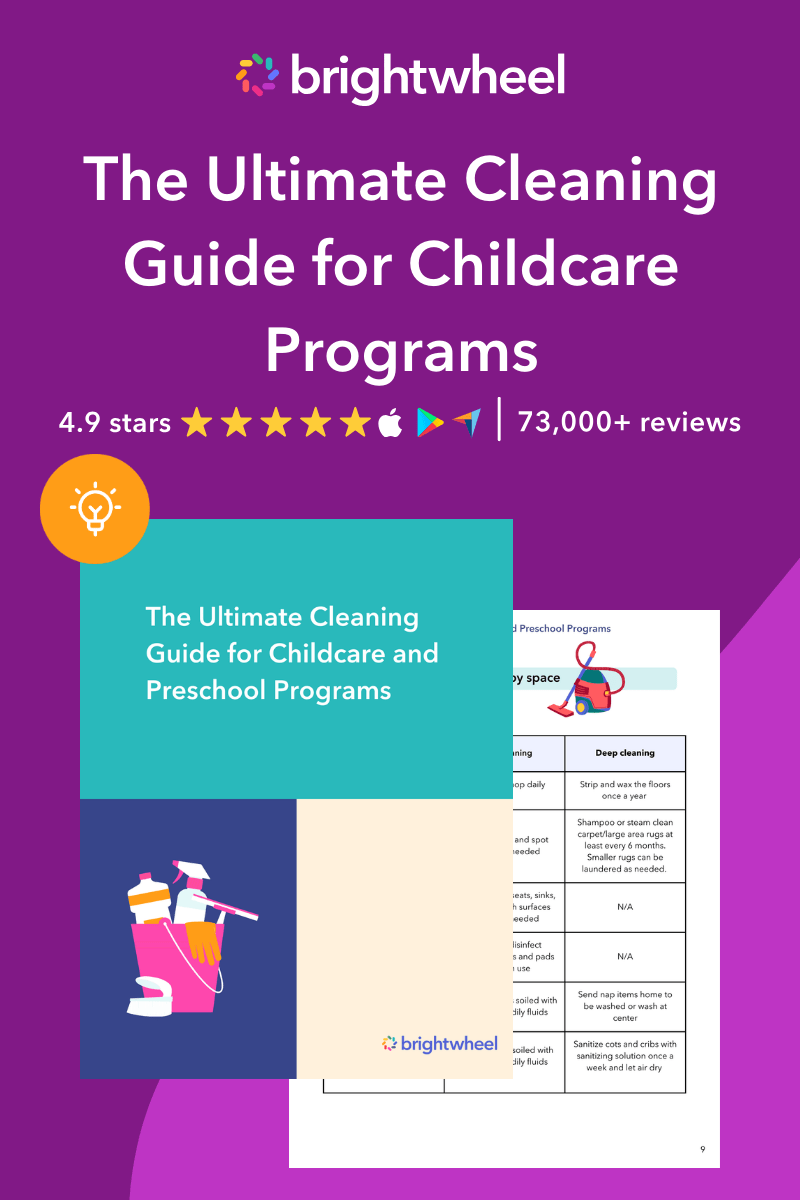
The Ultimate Cleaning Guide for Childcare Programs
Use this guide to create safe and healthy spaces for children, staff, and families.
Managing holiday clutter and craft messes
Holiday activities often involve an influx of new materials. Between gift-making stations and sensory bins filled with seasonal items, classrooms can quickly become disorganized. Managing these materials proactively is the best way to keep your program running smoothly.
Strategic craft prep and cleanup
Arts and crafts are a staple of the holiday season, but they are also a primary source of mess. Instead of fearing the glitter, use these preparation strategies to contain the chaos before it begins.
- Pre-portion materials: Rather than placing a large bottle of glue or a tub of sequins in the center of the table, set up individual trays or bins for craft supplies. Portioning out glitter, glue, and paper allows you to contain messes to specific areas. If a spill happens, it stays within the tray rather than spreading across the table or floor.
- Use disposable coverings: Holiday crafts are often stickier and sparklier than standard daily activities. Cover your tables with butcher paper or disposable tablecloths before you begin. When the activity ends, you can simply roll up the paper—mess and all—and dispose of it for instant cleanup.
- The "glitter control" protocol: Glitter is notorious for staying around long after the holidays are over. Implement a specific protocol for glitter activities. Use damp cloths or lint rollers to quickly pick up stray glitter and craft debris immediately after activities. A quick pass with a lint roller on children's clothes before they leave the art station can also prevent glitter from tracking into other areas of the room.
Streamlined storage for seasonal items
As you bring out holiday-specific items, it is crucial to manage the overall volume of materials in your classroom to prevent overcrowding.
- Designate "holiday zones": Keep holiday decorations and activity supplies in specific areas to prevent them from spreading throughout the entire room. Designating a specific shelf or corner for holiday materials helps children understand where these special items belong.
- Rotate, don't accumulate: A common mistake is adding holiday items on top of the existing inventory. Instead, put away non-essential daily toys to make room for holiday-specific items. This prevents overcrowding and reduces visual clutter, which can be overstimulating for children.
- Label bins clearly: Use clear, labeled bins for storing holiday supplies so staff can easily find and put away items at the end of the day. Clear labeling ensures that any staff member, including substitutes, can maintain the organizational system.
High-traffic hygiene hacks
The holiday season often brings more visitors, class parties, and excitement. Unfortunately, it also coincides with cold and flu season. With potentially more foot traffic and winter weather, germs and dirt can spread quickly. Focusing on high-traffic areas is essential for maintaining a healthy environment.
Entryway defense system
Your entryway is the first line of defense against outdoor elements. During winter, mud, snow, and salt can wreak havoc on your floors and air quality if not managed at the door.
- Double up on mats: Place heavy-duty mats both outside and inside the main entrance. The outer mat scrapes off large debris, while the inner mat absorbs moisture. This simple step traps snow, mud, and salt before it gets tracked onto classroom floors, reducing the need for constant mopping.
- Shoe-free zones: Enforce a strict "indoor shoes only" policy for staff and children. Ask visitors to remove shoes or use shoe covers upon entry. This is particularly important for infant and toddler rooms where children spend significant time on the floor.
- Sanitize door handles frequently: High-touch points are hotspots for germ transmission. Increase the frequency of disinfecting door handles, keypads, and sign-in tablets during drop-off and pick-up times. Keeping a container of disinfecting wipes near the entrance makes this task easy for staff to perform regularly.
Quick-clean stations
Spills and messes are inevitable, but your reaction time determines how much they impact the day. Having supplies readily available allows for immediate action.
- Accessible supplies: Place "quick-clean" baskets with safe sanitizing wipes and paper towels in key areas so staff can address spills immediately. You should not have to leave the children unsupervised to find a paper towel.
- Schedule "10-minute tidy" blocks: Implement short, scheduled cleaning bursts throughout the day where staff and children work together to reset the room. Playing festive music during these blocks can make the process fun and engaging for the children.
- Focus on food areas: With extra holiday treats often present, be vigilant about wiping down tables and sweeping crumbs immediately. Leftover crumbs can attract pests, which is the last thing you want to deal with during a busy season.
Safe and clean decorations
Decorations make the space festive and welcoming, but they can also harbor dust and germs if not maintained properly. It is vital to ensure your holiday cheer doesn't compromise the health standards of your childcare program.
Dust-busting decor
Decorations that sit out for weeks can collect significant amounts of dust, which can irritate children with allergies or asthma.
- Avoid dust magnets: When selecting new decor, choose items made of plastic, wood, or laminated paper. These materials are easy to wipe down and sanitize. Avoid fabric, plush, or felt items that trap dust and are difficult to clean.
- Weekly wipe-downs: Add a quick dusting of holiday decorations to your weekly cleaning checklist. A simple wipe with a microfiber cloth or a damp paper towel can prevent allergen buildup.
- High-up safety: Ensure decorations hung from ceilings or high shelves are secure. They should not interfere with ventilation systems, sprinklers, or fire safety equipment. Loose decorations can become safety hazards or collect dust that is then blown around the room by HVAC systems.
Tree and greenery maintenance
If your program displays a holiday tree or greenery, specific maintenance is required to keep it safe for young children.
- Artificial over real: Use high-quality artificial trees or greenery, if possible. Live trees can introduce mold spores, sap, and falling needles, which can trigger allergies or create choking hazards. Artificial options are easier to clean and reuse year after year.
- Daily vacuuming: If you do use a tree (artificial or real), vacuum around the base daily. Ornaments and branches can shed debris that looks appealing to curious toddlers. Keeping the floor clear removes these potential choking hazards.
- Safe placement: Position decorations away from heat sources and play areas. A tree placed in the middle of a block area is likely to be knocked over. Choose a low-traffic corner where the tree can be admired safely without becoming an obstacle.
Keep your program shining this season
Maintaining a clean childcare program during the holidays requires proactive planning, from managing craft messes to keeping entryways clear and decorations dust-free. These extra steps protect the health and safety of the children and create a more welcoming environment for families.
By implementing these simple tips, you can enjoy the festive season with your families and staff while keeping your environment healthy and organized. A tidy space allows everyone to focus on the joy of the season rather than the stress of the mess.