Opening a childcare program is a rewarding venture, but it's also a complex one filled with unique challenges. From navigating state regulations to managing finances and building a strong team, new providers can easily overlook critical steps. A small misstep at the beginning can lead to significant issues down the road, affecting everything from your program's reputation to its long-term viability.
Understanding the common mistakes when opening a daycare is the first step toward building a successful and sustainable business. This article will walk you through the ten most frequent errors new childcare providers make and provide clear, actionable advice on how to avoid them. By learning from these common pitfalls, you can set your new program on a path to success and focus on what matters most—providing exceptional care for children.
Mistake 1: Skipping thorough research on licensing requirements
One of the most critical mistakes when opening a daycare is underestimating the complexity of state licensing. Every state has a unique set of regulations governing childcare programs, and failing to comply can result in delays, fines, or even closure.
Common oversights include:
- Assuming uniformity: Many new providers assume that requirements for staff-to-child ratios, health and safety standards, or facility inspections are the same everywhere. This is incorrect. You must research and adhere to your specific state's and local jurisdiction's rules.
- Ignoring necessary permits: Beyond a primary childcare license, you may need building permits, health department certifications, and fire safety clearances. Overlooking any of these can halt your opening.
- Failing to meet standards: Health and safety standards are non-negotiable. From proper sanitation procedures to emergency preparedness plans, your program must meet all mandated requirements before you can legally operate.
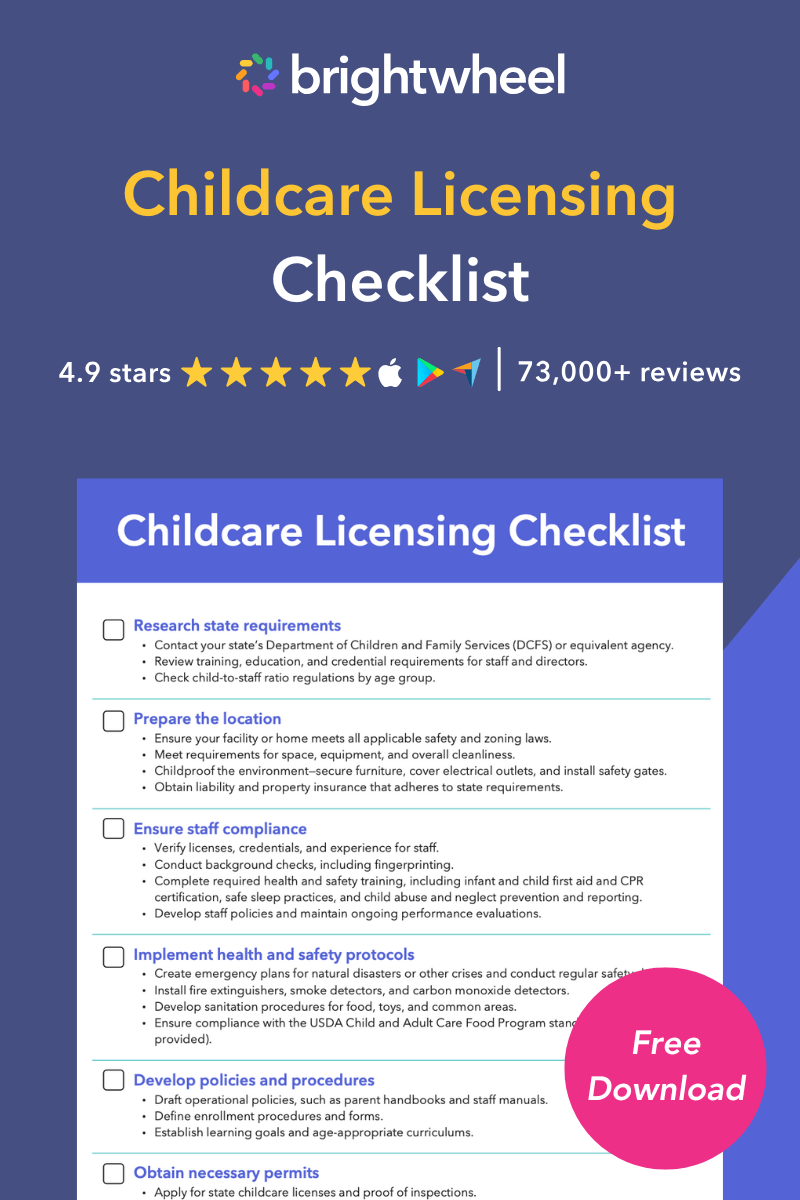
How to avoid it: Before you do anything else, contact your state's childcare licensing agency. Read their handbook thoroughly, attend any informational sessions they offer, and create a detailed checklist of every requirement you need to meet.
Mistake 2: Insufficient funding and financial planning
A great vision for a childcare program is not enough; it needs to be backed by solid financial planning. Many new owners underestimate the true cost of starting and running a daycare, leading to cash flow problems that can sink the business before it gets off the ground.
These financial mistakes include:
- Underestimating startup costs: Initial expenses go far beyond rent and salaries. You need to budget for insurance, licensing fees, classroom equipment, curriculum materials, marketing, and more.
- Lacking a financial cushion: Unexpected costs are inevitable. Without a contingency fund (typically 3-6 months of operating expenses), a broken appliance or a slow enrollment period can become a major crisis.
- Poor financial projections: Without realistic projections for revenue and expenses, it's impossible to know if your business model is sustainable.
How to avoid it: Develop a detailed budget that accounts for all potential expenses. Secure sufficient capital to cover your startup costs and at least six months of operating expenses. Work with a financial advisor or small business mentor to create realistic financial projections.
Mistake 3: Choosing the wrong location
Your program's location is a cornerstone of its success. It affects your ability to attract families, comply with local laws, and provide a safe environment. Rushing this decision is a frequent mistake when opening a daycare.
Pitfalls to watch for:
- Ignoring zoning laws: Not all commercial properties are zoned for child care. Signing a lease before confirming your property is approved for this use is a costly error.
- Overlooking accessibility: Is the location easy for families to get to? Is there adequate and safe parking for drop-off and pick-up?
- Failing to consider your audience: A location far from residential areas or major employment hubs may struggle to attract families.
How to avoid it: Research local zoning ordinances thoroughly before signing any lease or purchase agreement. Analyze the demographics of your target area to ensure there is demand. Visit potential locations during peak drop-off and pick-up times to assess traffic and parking.
Mistake 4: Failing to create a comprehensive business plan
Operating without a business plan is like sailing without a map. It’s a document that not only guides your decisions but is also essential for securing loans or attracting investors. Skipping this foundational step leaves your program without clear direction.
A weak or nonexistent business plan often means:
- No clear goals: Without defined objectives for enrollment, finances, and growth, it's hard to measure success.
- Undefined strategies: Your business plan outlines your strategies for marketing, operations, staffing, and curriculum.
- Inability to secure funding: Banks and investors will not consider funding a business that lacks a professional and thorough business plan.
How to avoid it: Dedicate time to writing a comprehensive business plan. It should include an executive summary, company description, market analysis, organizational structure, service offerings, marketing and sales strategies, and financial projections.
Mistake 5: Neglecting staffing and training
Your staff is the heart of your childcare program. Hiring underqualified or poorly trained employees can damage your reputation and, most importantly, compromise the safety and well-being of the children in your care.
Common staffing mistakes include:
- Rushing the hiring process: Failing to conduct thorough background checks, verify credentials, and check references is a major risk.
- Inadequate training: Staff need ongoing professional development to stay current with best practices in early childhood education, health, and safety.
- Ignoring retention: High staff turnover disrupts the consistency of care for children and creates instability.
How to avoid it: Develop a rigorous hiring process. Implement a robust onboarding program and provide continuous opportunities for professional development. Foster a positive work environment and offer competitive compensation and benefits to retain your best teachers.
Mistake 6: Overlooking marketing and enrollment strategies
You may have a wonderful program, but if families don't know it exists, your classrooms will remain empty. Assuming that word-of-mouth will be enough to fill your program is a common and costly mistake.
Marketing missteps often involve:
- Lacking a brand identity: A strong brand helps you stand out and communicates your program's unique values.
- Failing to use digital marketing: Today, most families begin their search for child care online. A professional website and an active social media presence are essential.
- Ignoring community engagement: Building relationships with local businesses, schools, and community organizations can be a powerful source of referrals.
How to avoid it: Develop a clear brand identity and a multi-channel marketing plan. Invest in a user-friendly website with clear information about your program and an easy way for families to inquire. Engage with your local community through events, partnerships, and online forums.

Free eBook: Social Media 101 for Childcare Businesses
Download this free eBook and improve your program's social media presence.
Mistake 7: Forgetting to build relationships with families
A successful childcare program is built on a foundation of trust and strong communication with families. When providers focus too heavily on day-to-day operations, they can neglect the crucial element of family engagement.
This can look like:
- Poor communication: Not providing regular updates on a child’s day, progress, and milestones.
- Ignoring family feedback: Dismissing concerns or suggestions from families can quickly erode trust.
- Lack of community: Failing to create opportunities for families to connect with staff and each other through events or meetings.
How to avoid it: Establish clear and consistent communication channels. Use tools like brightwheel to share real-time updates, photos, and messages. Actively solicit feedback from families and create a welcoming environment where they feel like valued partners in their child's education.
Mistake 8: Offering a poor-quality curriculum and program
While safety and care are paramount, families are also looking for a program that will support their child's learning and development. A low-quality or non-existent curriculum is a significant drawback that can hinder enrollment and retention.
Signs of a weak program include:
- Lack of structure: An unstructured day with limited engaging activities.
- One-size-fits-all approach: A curriculum that does not cater to the different developmental stages and individual needs of children.
- No educational philosophy: Failing to ground your program in a recognized early childhood education philosophy, such as play-based, Montessori, or Reggio Emilia.
How to avoid it: Choose a high-quality, research-based curriculum that aligns with your program's philosophy. Ensure your daily schedule includes a balance of child-led and teacher-guided activities that promote development across all domains.
Mistake 9: Failing to set clear policies and procedures
Clear, written policies are essential for running a smooth, consistent, and professional childcare program. Without them, providers are left to make decisions on the fly, leading to confusion and inconsistency for staff and families.
Commonly overlooked policies relate to:
- Tuition and payments: Unclear policies on payment deadlines, late fees, and withdrawal notices.
- Health and illness: Ambiguous rules about when a sick child should stay home.
- Discipline and behavior management: Lack of a clear, positive approach to managing challenging behaviors.
How to avoid it: Create a comprehensive parent handbook that outlines all of your program's policies and procedures. Have every family review and sign the handbook upon enrollment. Review and update your policies annually.
Mistake 10: Ignoring safety and security measures
Nothing is more important than the safety and security of the children in your care. Overlooking this crucial aspect can have devastating consequences for your program, the children, and their families.
Ignoring safety and security can lead to:
- Accidents and injuries: Unsafe equipment, lack of supervision, or failure to childproof the environment can result in preventable harm.
- Unauthorized access: Weak security protocols can allow unauthorized individuals to enter your facility, posing a risk to everyone inside.
- Lack of emergency preparedness: Not having clear, practiced plans for emergencies like fires, natural disasters, or medical incidents can lead to chaos and harm during a crisis.
How to avoid it: Develop a detailed safety plan that includes regular equipment checks, thorough childproofing, and secure entry/exit procedures. Create and practice emergency preparedness drills for various scenarios. Ensure all staff members are trained in first aid, CPR, and your program's specific safety protocols.
Set your childcare program up for success
Opening a childcare program is a significant undertaking, but by being aware of these common mistakes, you can navigate the process more effectively.
Building a successful program requires careful planning, a commitment to quality, and a focus on building strong relationships with children, families, and staff. With the right preparation, you can create a thriving business that makes a positive impact in your community.
Learn more about daycare licensing regulations in your state
Want guidance on how to start a daycare in your state? Consult your state's childcare licensing department or check out our state-specific guides below for more information:
- Alabama
- Alaska
- Arizona
- Arkansas
- California
- Colorado
- Connecticut
- Delaware
- Florida
- Georgia
- Hawaii
- Idaho
- Illinois
- Indiana
- Iowa
- Kansas
- Kentucky
- Louisiana
- Maine
- Maryland
- Massachusetts
- Michigan
- Minnesota
- Mississippi
- Missouri
- Montana
- Nebraska
- Nevada
- New Hampshire
- New Jersey
- New Mexico
- New York
- North Carolina
- North Dakota
- Ohio
- Oklahoma
- Oregon
- Pennsylvania
- Rhode Island
- South Carolina
- South Dakota
- Tennessee
- Texas
- Utah
- Vermont
- Virginia
- Washington
- Washington, D.C.
- West Virginia
- Wisconsin
- Wyoming